A Designer's Review of "Good Things Come to Those Who Wait"
As someone who works with embroidery designs daily—whether for my own projects, client commissions, or items for my small shop—the first thing I do with any new design is to visualize its real-world potential. "Good Things Come to Those Who Wait" is a phrase I’ve seen many times, but seeing it presented as a digital graphic for crafts immediately sparked a more practical evaluation. How would this actually feel when stitched onto fabric? What kind of product would it elevate?
First Impression: A Gentle, Hopeful Mood
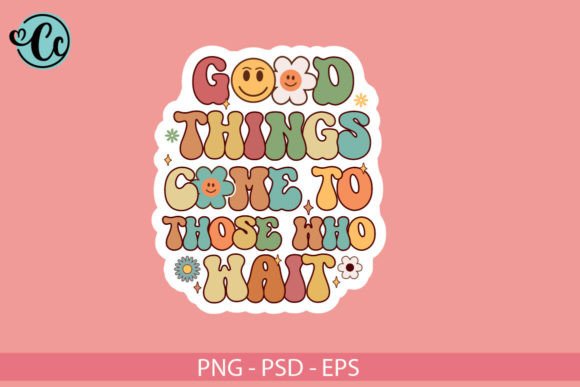
The design evokes a quiet, encouraging mood. It’s not loud or overly decorative; its strength lies in its message and its straightforward presentation. This isn't a complex, ornate graphic—it’s a clean, typographic-driven piece that feels inherently personal and thoughtful. As an embroidery file, this means its visual personality is carried by the lettering itself. It naturally belongs to projects meant for encouragement, reflection, or quiet celebration—perfect for gifts, self-care items, or home decor with a comforting vibe.
Where This Design Finds Its True Home
I pictured this on a custom embroidered tote bag first. A simple, sturdy canvas bag with this phrase stitched along the top or on a pocket creates an item that’s both functional and sentimentally valuable. But its applications are wonderfully broad. For client work or small business merchandise, it shines on:
- Apparel with a softer feel: Sweatshirts, t-shirts, and baby clothes (like a little onesie or knit blanket) where the message adds a layer of warmth.
- Home and kitchen textiles: Pillow covers, apron bibs, or tea towels in a cozy kitchen.
- Personalized gifts: Embroidered onto a linen handkerchief or a simple patch for a journal cover, given as a wedding or mental health support gift.
- Boutique and craft fair products: This design can anchor a whole line of “encouragement” items—from embroidered caps to simple wall hangings.
The key is pairing it with materials that match its gentle tone. A crisp white cotton, a soft fleece, or a natural linen will make the stitched words feel integrated and authentic.
Practical Performance in Real Embroidery Situations
Moving from the idea to the hoop, this design’s performance hinges on its detail level. As a typographic piece, clarity is everything. In embroidery, this means paying close attention to stitch density and lettering definition. Satin stitches for the lettering would give a beautiful, smooth finish, but fill stitches could also work for a more textured, handmade look. The layout appears clean, which is excellent for avoiding overly dense stitch areas that can distort on stretchy fabrics like t-shirts.
For commercial embroidery projects or a batch of products for an Etsy listing, this design offers consistency. It’s not overly complex, so production runs should be reliable, maintaining a professional look across multiple items like tote bags or pillow covers. For digital product sellers offering printable mockups or design assets, this graphic serves as a strong, versatile base for various craft applications.
Where Extra Care is Needed
Every design has its considerations. For "Good Things Come to Those Who Wait," the focus is on the lettering. On small hoop sizes, tiny details in the font could become muddled if not tested first. I would be cautious on:
- Very textured or napped fabrics (like some blankets), where fine lettering might lose definition.
- Dark fabric backgrounds, requiring careful thread color contrast planning to keep the message readable.
- Curved surfaces like caps, where the linear layout might need slight adjustment or stabilization.
- Items needing frequent washing, like baby clothes or kitchen towels; a secure, dense stitch construction will ensure longevity.
The mantra here is always test on scrap fabric first, especially checking how the smallest elements of the phrase look after stitching.
Impact on Value, Trust, and Presentation
When a design like this is embroidered well, it directly boosts the perceived value of the finished product. It feels intentional and crafted, not just applied. For a customer buying a handmade product or a client receiving a personalized gift, this authenticity builds trust and engagement. The message itself fosters a connection—it’s relatable and positive.
For a craft business or apparel decorator, using this design consistently across a product line (say, a series of mental health-themed items) can strengthen brand consistency. It speaks to a specific audience looking for encouragement or affirmation. The "giftability" is high; an embroidered item with this phrase feels like a meaningful, considered present, far beyond a generic store-bought item.
A Designer’s Essential Notes Before You Start
Before loading this embroidery file, my practical checklist would include:
- Verify the specific licensing terms for this digital graphic. Can it be used for commercial embroidery projects, or is it for personal use only? This is crucial for small shop owners and Etsy sellers.
- Check the provided file formats and confirm compatibility with your embroidery machine or software. Do not assume.
- Plan your thread colors. Test them on both light and dark fabric backgrounds in a simple mockup. High contrast is key for readability.
- Determine the appropriate hoop size for your intended project. Will it fit on a baby item’s small area or a tote bag’s larger panel?
- Select the right stabilizer for your fabric—this ensures the lettering stays crisp, especially on stretchy or thin materials.
- Inspect the design file for any exceptionally small details in the lettering that might need slight adjustment for clean stitching.
Embroidery is a translation from digital to tactile. "Good Things Come to Those Who Wait" has the core qualities that make for a successful translation: a clear, emotionally resonant message and a layout that prioritizes legibility. When stitched with care onto the right product, it becomes more than a graphic—it becomes a handmade piece of encouragement, exactly what good craft and design should achieve.