A Practical Review: Cousin of the Bride SVG for Crafts & Graphics
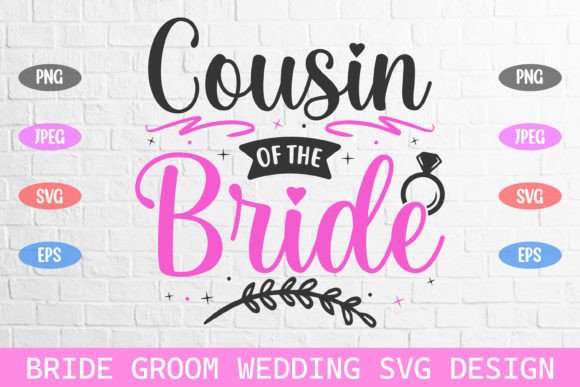
Opening the Cousin of the Bride Wedding Svg file, my first impression is one of playful, familial charm. The design feels less like a formal invitation and more like a warm, inside joke, perfect for celebrating a wedding’s extended cast. The mood it creates is lighthearted, affectionate, and a touch nostalgic. It represents a style that’s distinctly modern-casual, leaning into the trend of personalized, relationship-focused wedding merchandise. This isn’t for the ultra-minimalist couple; it’s for clients who want their branding, printables, and merchandise to feel personal, inclusive, and genuinely fun.
Where This Design Asset Finds Its Perfect Project
In my current client scenario—a boutique online shop specializing in handmade wedding party gifts and accessories—this SVG bundle is immediately applicable. The shop owner wants to launch a curated collection of items for bridesmaids, groomsmen, and, crucially, those wonderful extended family members. The Cousin of the Bride SVG provides a ready-made visual cornerstone. It naturally fits projects like custom sticker sets for gift tagging, a line of “wedding crew” mugs, or decorative tote bags for weekend guests. The design elements support a visual direction that’s cohesive yet whimsical, elevating a simple product line into a themed collection.
Performance in Real Design Situations
For logo design or primary brand identity, this asset likely serves as a supporting graphic rather than the main logo. However, for a sub-brand or a specific product line within a larger wedding brand, it could be fantastic. In print, it shines. On product labels and packaging for small batch items, it adds a bespoke touch. As a central graphic for invitations or event flyers for a casual rehearsal dinner, it sets the tone instantly. For merchandise like t-shirt designs or mug layouts, it’s practically ready-to-use.
In digital spaces, it becomes a versatile tool. As a website graphic on a “Shop the Wedding Party” page, it draws attention. For blog visuals discussing unique wedding roles, it adds illustrative flair. For social media graphics—particularly Instagram posts and Pinterest pins promoting a themed product launch—it creates immediate recognition. Dropped into Canva templates for a social media campaign, it ensures consistency. For Cricut projects, the SVG format is key, enabling crisp cuts for stickers, apparel, and decor.
The Strongest Applications for This Graphic Design Asset
This SVG bundle works best where its character can be fully appreciated. Use it in large layout areas: as a hero graphic on a website banner or a prominent illustration on a poster. It excels in product mockups, making a digital mug or t-shirt design look lively and market-ready. Think of it as a decorative accent across a themed collection—from web graphics to physical stickers—creating a unified campaign visual. It’s ideal for packaging details, like a small corner illustration on a gift box tag. For printable designs like wall art for a “wedding week” guest room, it offers that perfect, personal touch.
Careful Considerations for Professional Use
Some situations require a more cautious approach. At very small sizes, the intricate relationships between the text elements might lose clarity, especially in the “Cousin of the Bride” portion. Avoid crowding it with too many other ornate elements on a layout; it needs space to breathe. On complex backgrounds, ensure sufficient contrast. While it has emotional appeal, it may not suit minimalist branding or projects demanding a very clean, corporate visual hierarchy. For professional corporate wedding event materials, it might feel too informal.
Its use directly affects several design principles. Readability is good at medium to large scales but must be checked in small applications. Visual hierarchy is inherent—the “Mr and Mrs” elements often take center stage, with the cousin text as a charming support. For brand consistency, it can anchor a fun, family-oriented sub-brand. It builds visual trust and recognition for a niche audience who identifies with that specific role. The emotional appeal and potential for audience engagement are high. Overall, it can make a design project feel polished, cohesive, and thoughtfully targeted.
Essential Designer Checks Before Client Delivery
Before committing this asset to a final client design, I run a series of practical tests. First, I view it in black and white to ensure the forms hold up without color dependency. I check contrast on both light and dark backgrounds, adjusting surrounds if needed. Previewing at various sizes is crucial—from a tiny sticker to a large poster—to confirm legibility and impact. Placing it on real mockups, like a mug template or a t-shirt flat, reveals how it interacts with product shapes.
For print projects, a test print at the intended size is non-negotiable to review line quality and color rendering. I inspect the file formats provided. An SVG file offers vector editability, allowing me to tweak colors or separate elements if the commercial license permits. If PNGs are included, I verify the transparency is clean, with no residual artifacts. Comparing the style with other font types—this design often sits between a display font and a script—helps me understand its pairing potential. Perhaps a clean sans-serif font for supporting text would balance it well.
Finally, and most importantly, I confirm the commercial licensing terms. Using a digital product like this for a client’s business project, whether for Etsy products, print-on-demand merch, or small business branding, requires unambiguous permission. Only after passing these checks does this creative asset move from my library into the live project, ready to add its unique charm to the final design.