Evaluating Eat Sleep Law Repeat for Embroidery Project Use
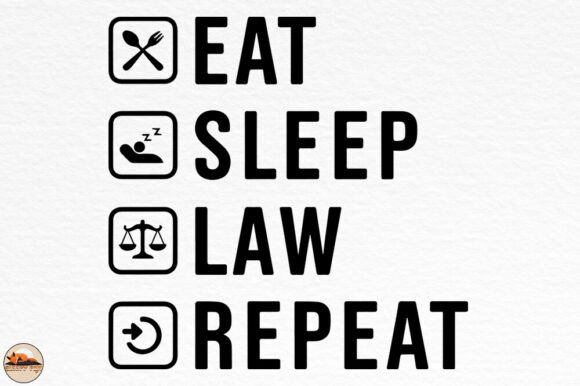
When a design like Eat Sleep Law Repeat, Lawyer Sublimation lands on my desktop, my first question isn't about the file formats. It’s whether this graphic will transition smoothly from a crisp screen image to textured, thread-based reality. This particular design, with its bold, mantra-like statement and clean layout, immediately feels destined for a specific niche: the professional, the graduate, the proud legal mind. The mood is confident, slightly playful, and unmistakably targeted. Its visual personality is less about intricate artistry and more about clear, impactful communication—a perfect candidate for embroidery that needs to be read and recognized instantly.
The Natural Habitat for This Lawyer Quote Design
Imagining this design stitched out, I see it living most comfortably on items that carry a sense of personal or professional identity. A custom embroidered tote bag for a law student, a sweatshirt for a firm’s casual Friday, or a crisp apron for the attorney who also happens to be a grill master at home. The straightforward layout and strong lettering mean it won’t get lost on larger surfaces. I’d lean toward using it on mid-weight fabrics like canvas bags, cotton twill caps, or sturdy poly-blend sweatshirts. The design’s personality suggests a gift—a personalized holiday gift for a colleague or a wedding gift for a newly bar-approved friend. For small business owners and Etsy sellers targeting the legal community or graduation gifts, this design becomes a ready-made asset for a whole line of boutique merchandise.
Where Stitching Might Require Extra Attention
While the design appears clean, the real test comes in the hoop. The phrase “Eat Sleep Law Repeat” is relatively long, and on smaller items like a cap or a baby bib (for the future lawyer, of course), the lettering could become cramped. Small hoop sizes might force a reduction that compromises clarity. On textured fabrics like some blankets or woven towels, the finer details of the letterforms could blend into the background texture unless stitch density is managed well. Dark fabric backgrounds will demand a thoughtful thread color palette—this isn’t a design that should fade into the garment. The corners and any decorative accents, if present in the vector files, need inspection in a test stitch to ensure satin stitches or fill stitches don’t pile up and create bulky, uncomfortable points on wearables.
From Digital File to Embroidered Product Value
The true value of an embroidery file like this isn’t just in the download; it’s in the finished product’s appeal. When stitched well with good thread contrast on appropriate stabilizer, this design elevates a simple item. On a tote bag, it transforms it from generic to purpose-driven. On a sweatshirt, it creates a statement piece that feels handmade and personal, which builds customer trust far more than a generic printed slogan. For a craft business, consistency in output—using the same clean setup for each item—reinforces brand professionalism. The giftability skyrockets because the embroidery implies care and customization, not just a slapped-on graphic. For the buyer, whether a client receiving a custom embroidered patch or a shopper on Etsy, the recognizable and relatable phrase creates immediate engagement.
Practical Notes Before You Hoop the Fabric
My standard advice for any design, including this one, is to run a practical checklist. First, always test on scrap fabric of the same type you intend to use. This reveals how the stitch density interacts with your material and whether small details, like the potential gaps in lettering, stitch out cleanly. Check thread color contrast against both light and dark backgrounds—sometimes a design that looks great on a white printable mockup needs a completely different thread plan for a black garment. Confirm your machine’s effective hoop size for the desired final product size. Since the product description notes the files are easy to modify and resize, this is a crucial step: resize in your software and then inspect the preview to ensure lettering doesn’t become distorted or fill stitches too sparse.
Especially for commercial embroidery or for sellers of finished products, always verify the licensing terms provided with the graphics. Can you use this for commercial projects, for physical products you sell, or for digital product previews in your own shop? The description doesn’t specify, so that’s a necessary inquiry. Lastly, consider the product’s life: if it’s going on an apron or kitchen towel that needs frequent washing, a robust stitch structure and stable fabric will keep the design looking sharp.
The Final Verdict for Makers and Decorators
Eat Sleep Law Repeat, Lawyer Sublimation presents a strong, niche-focused opportunity. Its strength is its clear theme and ready-to-use file formats, which are ideal for crafters and apparel decorators who want to move quickly from idea to embroidered product. It fits seamlessly into projects for the legal community, from celebratory gifts to everyday professional accessories. The design’s simplicity is its greatest asset for embroidery, reducing the risk of complicated stitch failures, but also its limitation—it won’t suit projects seeking subtle or ornate decoration. For the embroidery designer, small business owner, or hobbyist looking to create a recognizable, conversation-starting piece, this design, with proper testing and thoughtful application, will stitch out into a product that feels both professional and personally crafted. Just remember to match it with the right fabric, the right occasion, and the right thread, and it will do its job perfectly: stating a proud identity, one stitch at a time.