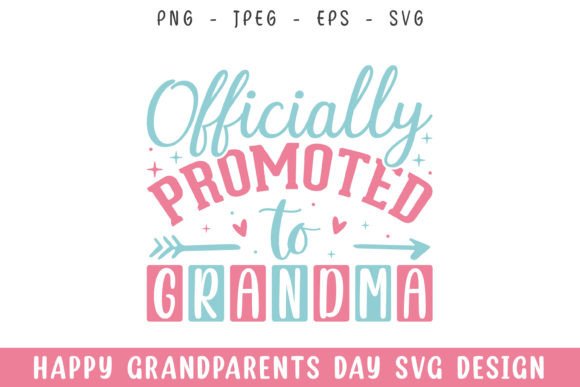
Evaluating the Officially Promoted Grandma Grandparents Design
When a new design lands in my library, I don’t just look at it on screen. I immediately start picturing it stitched out, worn, gifted, and sold. That’s the lens I’m using to look at Officially Promoted Grandma Grandparents, a design that clearly speaks to a heartfelt and popular niche. My first question is always: is this more than a cute graphic, or is it a truly practical embroidery file for real-world projects?
A First Impression That Feels Familiar and Warm
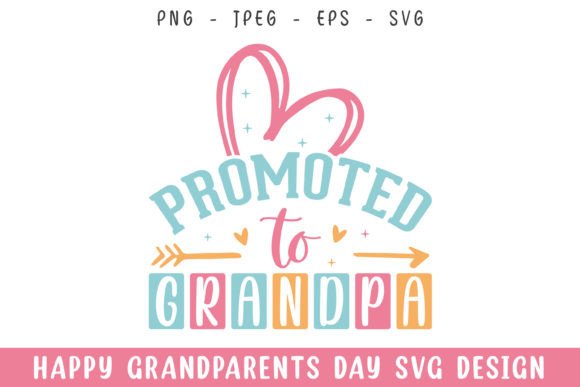
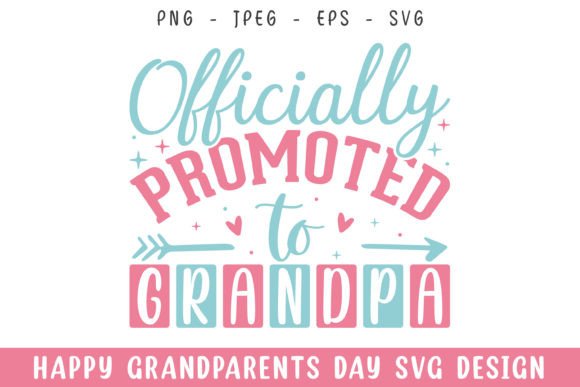
The overall mood here is celebratory and affectionate. The central theme of grandparents, tied to a specific “promotion,” has a playful, proud warmth. It’s not a generic floral motif; it’s a design with a personality. This instantly tells me it’s destined for personalized gifts and commemorative items rather than general decor. The layout, with its likely focus on text and perhaps accompanying decorative elements (given the mention of sayings and bundles), suggests a design that wants to be read and appreciated, not just glanced at.
For an embroidery designer, this means the success of the project hinges on stitching clarity, especially for any lettering. The visual personality is friendly and approachable, perfect for items meant to convey love and family connection. It naturally belongs on a baby’s blanket announcing a new grandma, a cozy sweatshirt for a proud grandparent, or a kitchen towel in a family home.
Where This Design Would Stitch Up Beautifully
Let’s walk through a real scenario. I’m preparing a custom order for a client who wants a gift for her mother, recently “promoted” to grandma. She’s considering a high-quality tote bag or a soft hooded sweatshirt. I load Officially Promoted Grandma Grandparents into my software. The design’s scale and detail level will dictate my choice.
On a sturdy tote bag canvas, this design could become a fantastic, durable feature. On a sweatshirt, I’m thinking about fabric texture and stretch. A design with balanced stitch density and not overly dense fill areas would perform well here, minimizing puckering. It would also shine as a embroidered patch, appliquéd onto a baby’s bib or jacket, adding a personalized touch to baby embroidery. For holiday embroidery projects, like a Christmas pillow cover or a Thanksgiving apron, it hits that sentimental note perfectly.
Thinking like a small shop product creator, this design has strong giftability. It could anchor a whole product line for a craft business: mugs (using the SVG for print), tea towels, and custom apparel all centered around Grandparents Day or new grandparent announcements. In Etsy listings or craft fair products, the finished item tells a story, which engages buyers emotionally.
Careful Considerations for a Clean Finish
No design is universally perfect for every substrate. The charm of Officially Promoted Grandma Grandparents could be lost if used without forethought. Here’s where I’d proceed with caution.
If the design includes small, intricate lettering for the “sayings,” tiny details can become muddled on textured fabrics like loose-knit sweaters or on curved surfaces like caps. Stitching it onto thin, stretchy fabric without the proper stabilizer is a recipe for distortion. On dark fabric, the thread color contrast needs to be bold and planned; a delicate script might vanish.
I’d also consider the product’s life. Items like kitchen towels or baby clothes need frequent washing. A design with very dense, concentrated stitching might wear differently than a lighter, more open design. For commercial embroidery projects where speed and durability are key, evaluating the stitch count and complexity beforehand is essential.
How This Design Impacts Your Craft Business
Beyond the stitch itself, using a design like this affects your work’s perceived value. A clean, well-executed embroidery of a relatable theme enhances customer trust and your professionalism. It shows you understand the occasion. For brand consistency, if your shop focuses on family-themed items, this design asset fits seamlessly, strengthening your handmade presentation.
From a buyer’s perspective, seeing this design on a finished product creates immediate recognition and connection. It’s not abstract; it’s specific. That increases buyer engagement and, ultimately, the likelihood of a sale or a delighted gift recipient.
Practical Notes from the Hoop
Before I ever stitch this for a client or my own small shop merchandise, I follow a routine. My advice to fellow makers is to do the same.
- Test on scrap fabric first. Use the same material you plan for the final product. See how the details render.
- Check thread color contrast against both light and dark backgrounds. Create simple black and white mockups to evaluate the form without color.
- Review the overall stitch density in your software. Does it look balanced? Are there areas that might be too heavy for lightweight fabrics?
- Confirm your hoop size can accommodate the design at the scale you want. A design meant for a mug might need reduction, which affects detail clarity.
- Inspect any small details or decorative accents. Will they survive the stitching process and remain clear?
- Always use proper stabilizer for your chosen fabric. This is non-negotiable for professional results.
- Most critically, check whether the design works for both personal and commercial projects. Understand the licensing terms of the digital embroidery file before selling finished items or digital products. This protects your craft business.
Remember, Officially Promoted Grandma Grandparents is a graphics product in the crafts category. Its value is unlocked not just by downloading it, but by thoughtfully integrating it into your real-world embroidery project. It has the heart and theme to make memorable items. Your job as the maker is to apply the technical skill and practical judgment to ensure it looks as good in thread as it does on screen.